Ground clearance behind
A rear derailleur on a low-slung trike sits only a few inches above the pavement and takes the spray from the front wheel. Curb strikes and driveway lips bend hangers that then need a shop visit to realign.
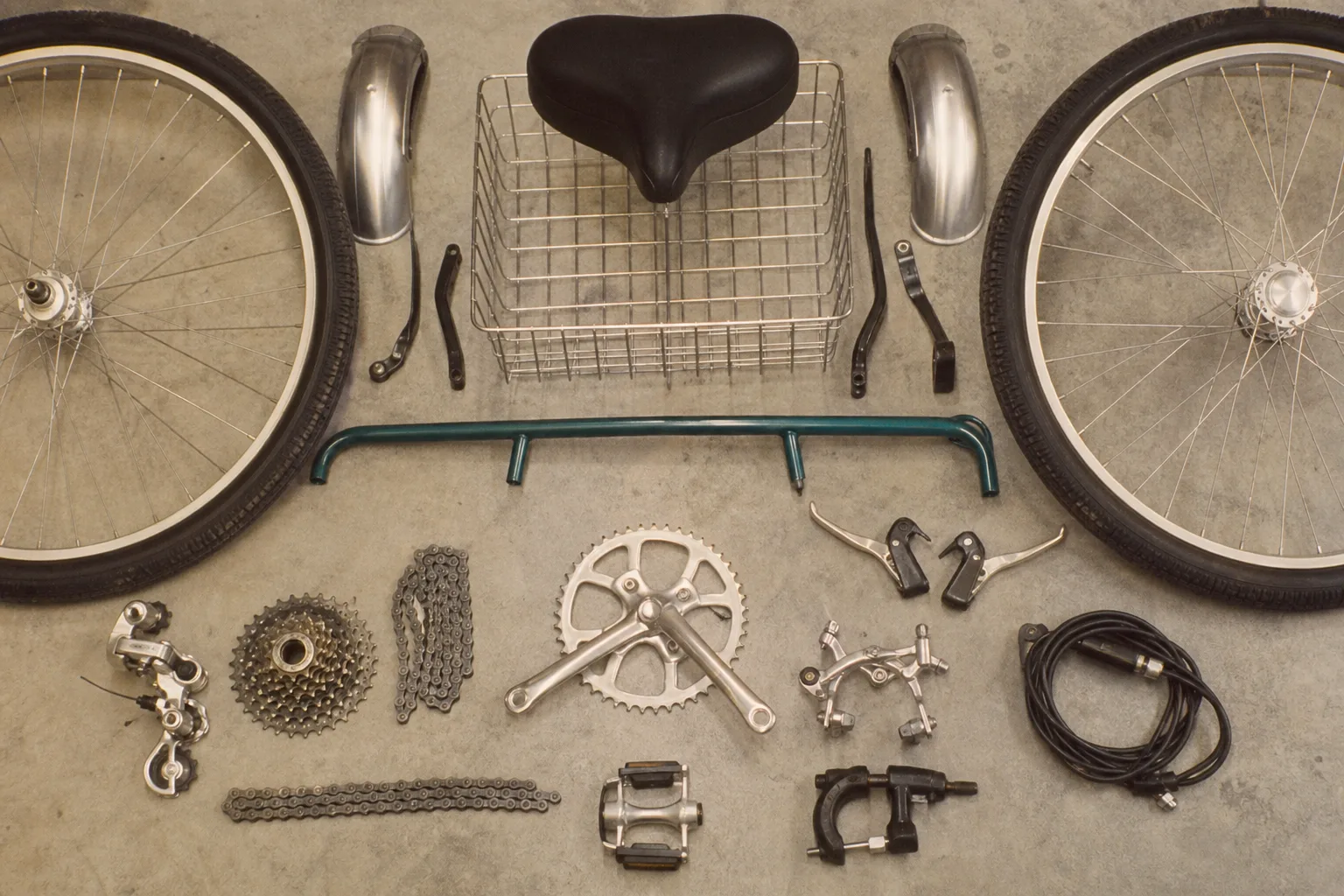
One rider's write-up after trying three-wheelers at two shops, a rehab centre loan pool and a used listing that turned out to be too wide for the gate. Most of it is about what happens after the purchase.
A heavy entry-level trike and a trike that climbs a driveway and holds on a slope can look nearly identical in a showroom, and the difference between them is rarely the frame. It is the drivetrain hanging under a low rear end, the brake type at each wheel, and whether anything holds the machine still when both feet are on the ground and both hands are full. Those are the parts a careful reader checks before paying, because they are the parts that get used on every ride and cost the most to change later.
Most delta trikes carry the rider low and put the drivetrain lower still, which means a rear derailleur sits a few inches off the pavement, directly behind whatever the front wheel throws up. An internally geared hub puts the mechanism inside a sealed shell, shifts while stopped, and tolerates grit, curb strikes and long storage in an unheated garage. The trade is range and weight: seven or eight hub speeds cover most terrain, while a derailleur gives more spread for less money. On a machine that will be ridden slowly, in short trips, from a standing start, shifting at rest is worth more than the extra gears.
Three wheels stand up on their own, which is the whole point, and they also roll away on their own on any grade steeper than a wheelchair ramp. A parking brake is usually a small locking lever or a pin that holds one brake closed, and it matters at exactly the moments a rider is least able to react: loading groceries into a rear basket, swinging a leg over, or holding a door. Check that the lock engages a brake strong enough to hold the loaded trike on the steepest slope on the regular route, and that arthritic hands can release it.
Drum brakes live inside the hub, ignore rain and road salt, need almost no attention for years, and give steady, moderate stopping power that will not lock a front wheel by surprise. Disc brakes stop harder, shed heat better on long descents, and are easier to find pads for, but the rotors bend if the trike tips or gets wedged into a car trunk. On a loaded trike with a rider who rides in weather and does not want to think about maintenance, drums are the quieter choice; on hills with real grade and a heavier load, discs earn their upkeep.
Assist is worth buying when the route has a hill that would otherwise end the ride, when the load is regular and heavy, or when the rider needs the trike to be usable on a bad day as well as a good one. A front hub motor is simple and keeps the rear end clear; a rear hub motor pulls better on grade but complicates a differential. Weight rises by twenty pounds or more, which matters when the battery is dead and the trike has to be pushed. Electric bicycles fall under the Consumer Product Safety Commission, which is responsible for the standards that govern them.
Call before buying and ask specifically. Most independent shops will service cables, pads, drum shoes, tires and standard internally geared hubs without hesitation, because those are ordinary bicycle parts. Fewer will open a trike differential, and many will decline warranty work on a direct-to-consumer electrical system, particularly the controller and battery, since they cannot get parts or diagnostic support. A trike built from common components and sold through a shop that stocks the brand is repairable locally for its whole life, which is a larger practical advantage than any single spec on the page.
The order of spending follows from how the machine gets used. A frame that fits and a step-through height that works decides whether the trike gets ridden at all, and after that, every dollar into gearing, braking and a lock that holds returns something on every trip.